The Filmmaker

It took over 20 years and countless reviews for a writer to accurately capture the essence of David Sutherland’s work, but in 2006 a piece from the Baltimore Sun finally hit the nail on the head:
“No one makes documentaries the way David Sutherland does. And perhaps no one ever will; the toll is too great. The documentarian’s methods more closely resemble an ethnographer’s than a television director’s. He steeps himself in the minute details, emotions and struggles of his subjects’ lives, trying to see the world through their eyes. Never mind closing the distance between viewer and object viewed, this filmmaker all but obliterates that distinction through his own intense identification and empathy with the people he films.”
The quote is especially well suited to his most recent film, Marcos Doesn’t Live Here Anymore (April 2019, 2 hours), which examines the national issue of immigration with the help of two unforgettable protagonists. Elizabeth Perez, a US Marine veteran and immigration activist, tirelessly works to reunite her family after her husband, Marcos, is deported to Mexico. Sutherland weaves a parallel-action love story that takes us inside a world often lived in the shadows, on both sides of the border, demonstrating the human cost of deportation.
Before that, in Kind Hearted Woman (April 2013, 5 hours), Sutherland delves into the sometimes troubled life of Robin Charboneau. Against the windswept backdrop of rural North Dakota, he follows a young Native American mother balancing the tragedy of alcoholism and abuse with the triumph of protecting her family and pursuing her dream of helping her people.
In 2006 Country Boys premiered. It took seven years to bring to fruition as Sutherland returned again and again to the hills of Appalachian Kentucky to crystallize the coming-of-age ordeal faced by his two teenage subjects. The film aired to great critical acclaim and went on to become one of the most widely viewed programs on PBS that year. Country Boys, which Sutherland produced, directed and edited, marked his second collaboration with FRONTLINE, the first being 1998’s The Farmer’s Wife, a three-part, 6.5-hour film cataloguing the trials of a poor Nebraskan farm family. The Chicago Tribune hailed it as “one of the extraordinary television events of the decade,” and the series’ 18 million viewers responded in record numbers with over 100,000 emails. The response cut across class, race, age and gender; from as many urban viewers as rural; and more than half wrote that they had come upon The Farmer’s Wife while channel surfing. The Television Critics Association nominated The Farmer’s Wife for awards in three categories: Best Program of the Year, Best Miniseries & Specials, and Best News & Information Program.
“What you do is tell stories of such long lasting impact they stay with one forever.” — Patricia de Stacy Harrison, President and CEO of the Corporation for Public Broadcasting
Working method
Kind Hearted Woman, Country Boys and The Farmer’s Wife best represent the current evolution of Sutherland’s filmmaking technique, which he describes as “cinematic portraiture.” “The sound is designed so the viewer hears my subjects breathing, sighing, and groaning from 100 yards away. My objective,” says Sutherland, “is to make you feel that you’re living in their skin.”
This technique requires a great deal of intimacy between filmmaker and subject, combining technical virtuosity with an intense human connection to the film’s subjects, and was not arrived at without many permutations. His first film, Down Around Here, employed a handheld microphone to catalog the demise of a Cambridge diner. Throughout the 1980s and 1990s he created an impressive body of work, most of which aired nationally on PBS. George Washington: The Man Who Wouldn’t Be King was produced for The American Experience; Jack Levine: Feast of Pure Reason and Paul Cadmus: Enfant Terrible at 80 gave new life to two accomplished WPA painters; Feast of the Gods was commissioned by the National Gallery of Art; and Halftime: Five Yale Men at Midlife chronicles the experience of five members of the class of 1963. His 1995 film High Energy, a portrait of physicist Melissa Franklin, was the lead film for the PBS series Discovering Women, and Out of Sight tells the sordid tale of a blind cowgirl addicted to independence and sex.
In the words of one critic, Sutherland shoots Super-8 footage of his subjects as a kind of film sketch, then fashions a script using the subjects’ best dialogue and most revealing scenes as take-off points — the subject of a documentary playing himself in a docudrama. In the long-form portraits that followed, the sketching became years of filming: more than 200 hours shot over three years for The Farmer’s Wife, seven years in and out of eastern Kentucky for Country Boys.
In addition to his own work, Sutherland has executive produced Sally Rubin and Jen Gilomen’s Deep Down, two films for Marlo Poras — Mai’s America and Run, Granny, Run — and did the same for Poras’ film with Sally Wu, The Mosuo Sisters, as well as Sally Wu’s The Good Daughter.
Such a career does not come without recognition. In 1999 Harvard University Film Archives honored his work with a ten-day retrospective of David Sutherland films. In 2003 and 2004 he was invited to judge the Writers Guild of America, East awards for best documentary screenplay. In 2007 the Museum of Modern Art (MoMA) honored him as the featured director in the Director’s Tribute at its annual international Documentary Fortnight series and, for the first time ever, screened 14 hours of one filmmaker’s work.
David Sutherland graduated from Tufts University and attended U.S.C. Film School.
Interviews and talks
- Westdoc Online, Episode 47: Chuck Braverman in conversation with David Sutherland (video, 2020)
- Salem Film Fest interview with David Sutherland (video, 2013)
- David Sutherland on Boston Public Radio with Margery Eagan and Jim Braude (WGBH, 2019)
- Radio Dispatch: the making of Marcos Doesn’t Live Here Anymore (BTRtoday, 2019)
- Film School Radio: Marcos Doesn’t Live Here Anymore (2019)
- Behind the Doc Lens: Kind Hearted Woman Q&A with Lauren Brody (2014)
- LEF Moving Image Fund dialogue: David Sutherland and Ed Pincus (2013)
- The Story Painter — David Zurawik, Baltimore Sun (2006)
- Playback: David Sutherland’s Farmer’s Wife — Chuck Braverman, IDA
- Hell & Poverty: David Sutherland’s portrait of the poor — IDA
Gallery

David Sutherland on location 
David Sutherland 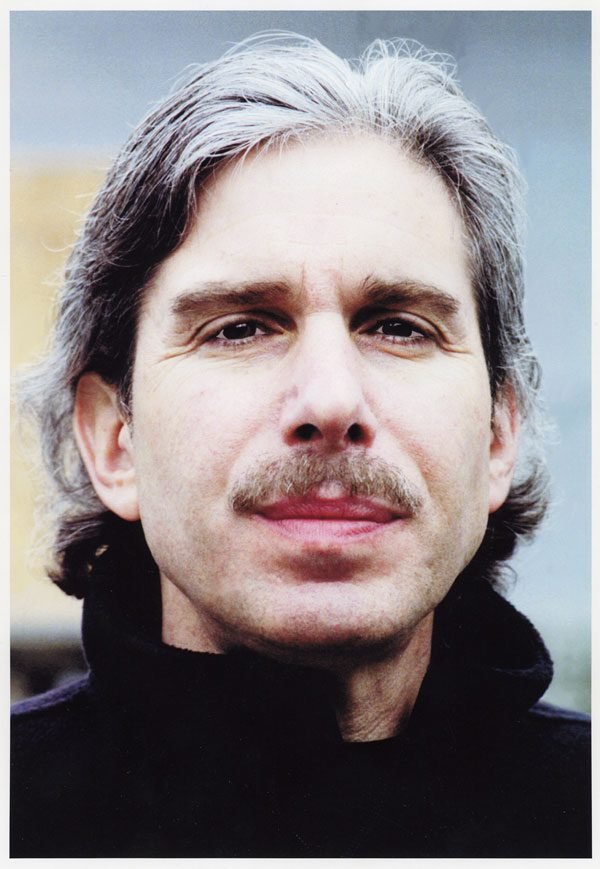
David Sutherland 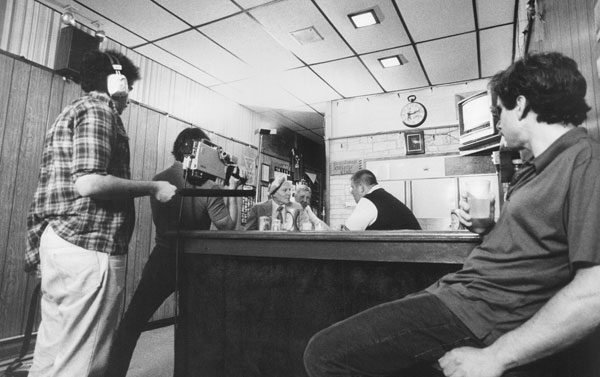
David Sutherland 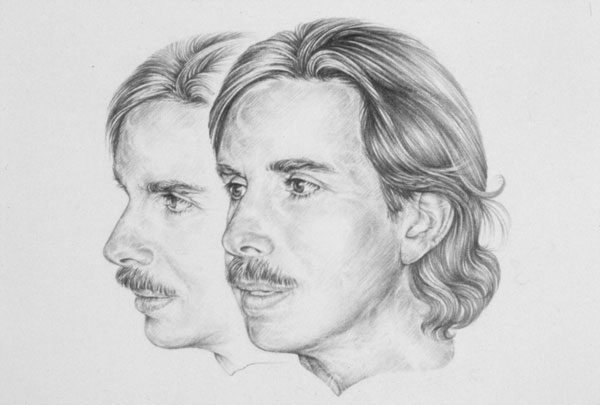
David Sutherland 
David Sutherland 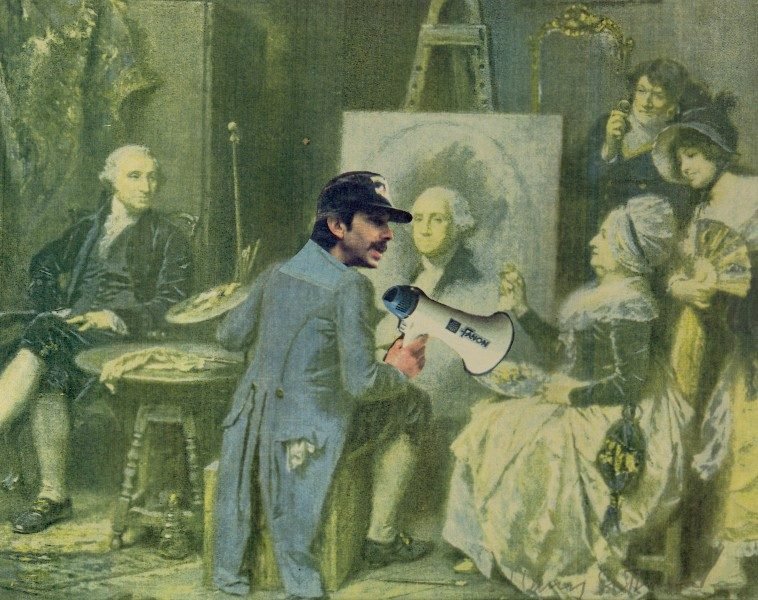
Directing George Washington: The Man Who Wouldn't Be King 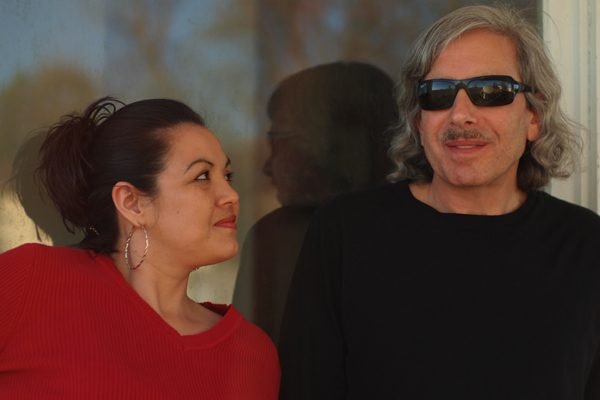
Filming Kind Hearted Woman 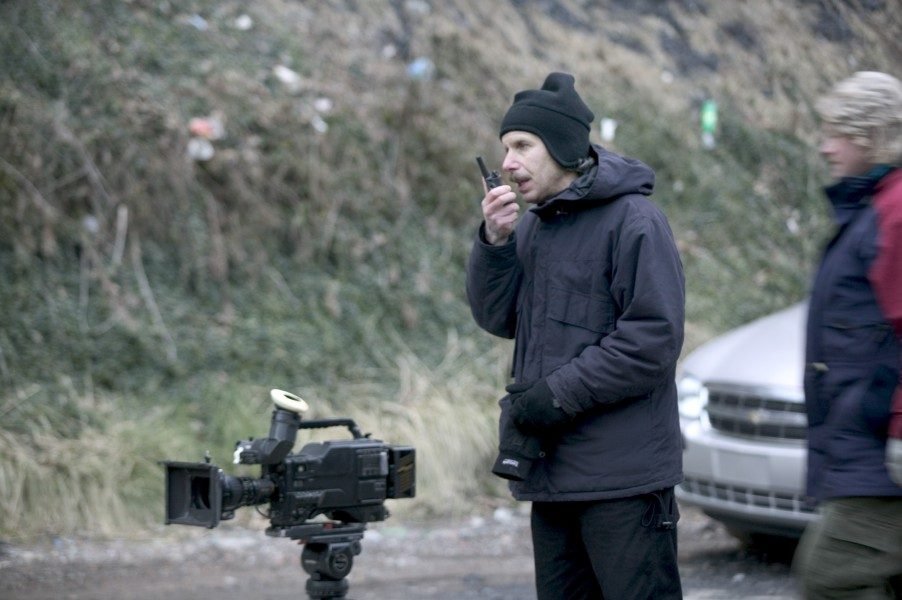
On location for Country Boys 
David Sutherland, photographed for the Baltimore Sun 
Composer Reeves Gabrels and David Sutherland 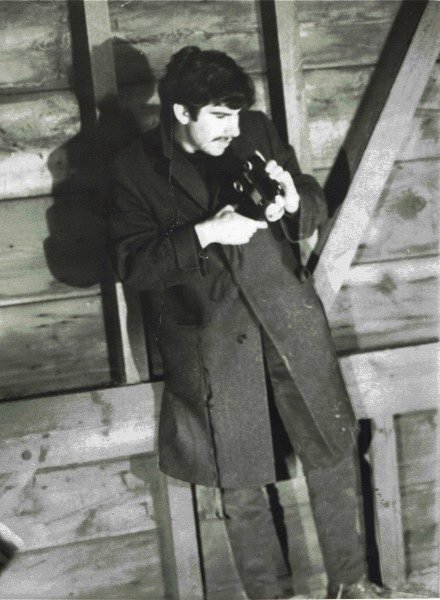
Filming the manger scene 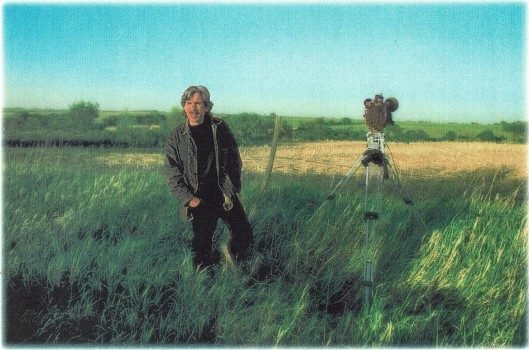
Preliminary scouting for The Farmer's Wife 
David Sutherland 
David Sutherland 
David Sutherland